A five-language city outgrew the digital front door built for two.
A federal law-enforcement entity in the Gulf region was serving a city whose population had outgrown its digital front door - we rebuilt it as an agentic, multilingual assistant.
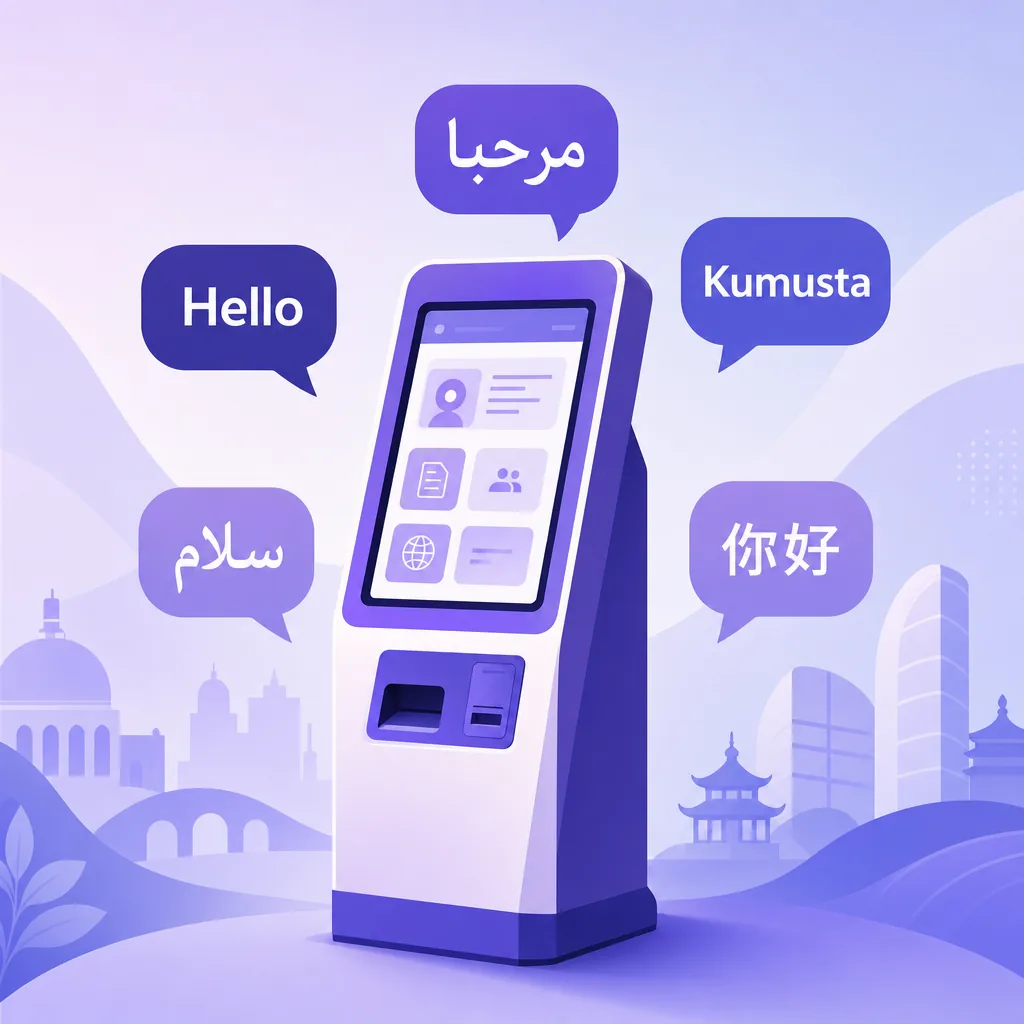
The bot answering citizen questions was a decade behind the city it served. English and Arabic only. A few dozen scripted intents. No connection to the underlying service catalog. Meanwhile, the population had become one of the most linguistically diverse in the Gulf - Tagalog-speaking healthcare workers, Urdu-speaking drivers, Mandarin-speaking traders, all bouncing off the same closed loop of fallback messages. Every unanswered query landed back on a human agent, or worse, on no one. The question on the table: could a single digital front door actually serve a five-language city across web and mobile, with the policy fidelity a federal entity requires?
- 01
Ground every answer in the source of truth.
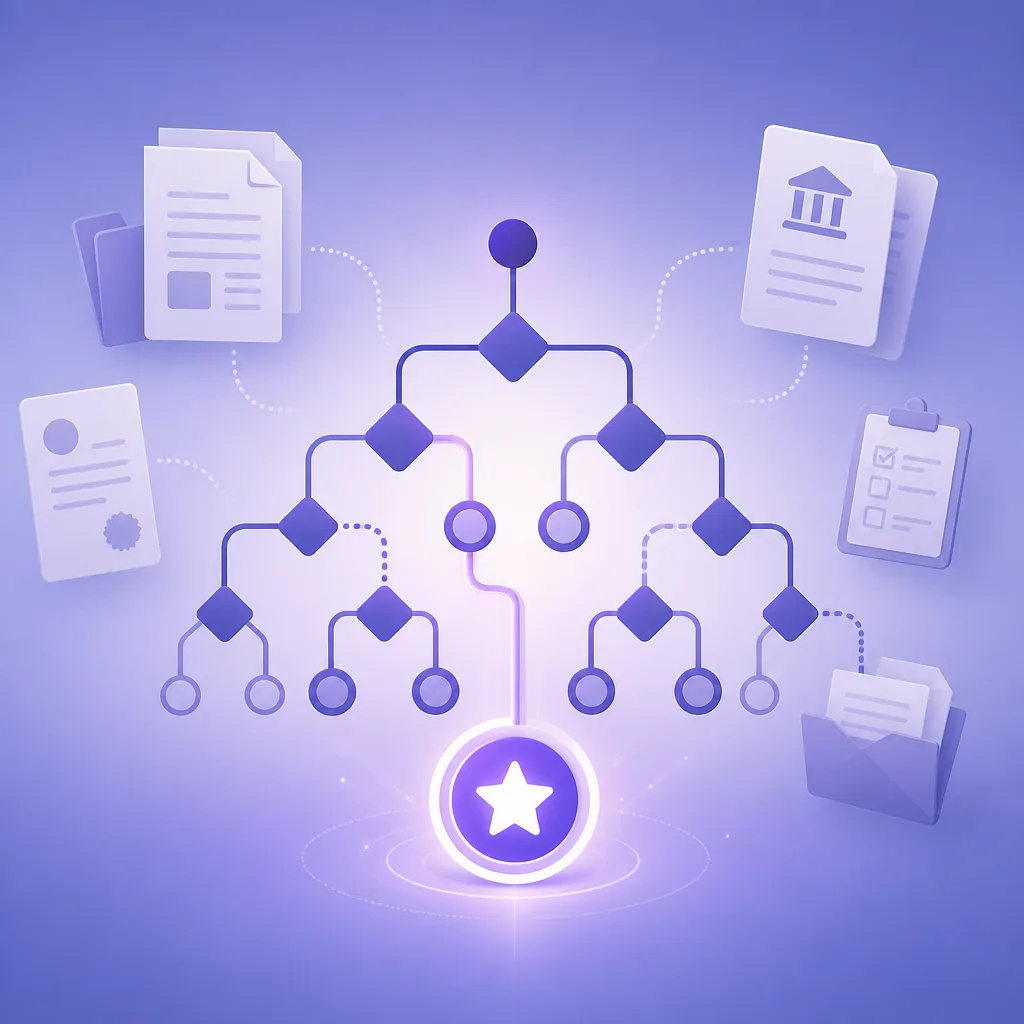
We replaced keyword matching with retrieval-augmented generation against the entity's structured service catalog and its unstructured policy library. Citizens don't ask in the format the system was built for - RAG lets the assistant answer the question they asked, not the one the system expected.
- 02
Build agentic, not scripted.
We architected the assistant as an agent over an LLM core, capable of multi-step reasoning across service lookups, eligibility checks, and document references. Five languages - English, Arabic, Tagalog, Urdu, Mandarin - share the same reasoning layer. The judgment call: we kept temperature low and refusal behavior tight. In a regulated environment, 'I don't know - let me hand you to an agent' is a feature, not a failure.
- 03
Make the handover invisible.
When the assistant can't resolve a query - by policy or by confidence - it routes to a live agent with full conversation context. Four channels live (text and voice, web and app). For the citizen, it's one conversation; for the operations team, it's one queue.
A modern, AI-native service experience replaced a brittle rule-based stack. Major expatriate communities gained access in their own language for the first time. Live agents stopped fielding repetitive queries and started handling the cases that actually need a human. Most importantly, the entity now has a single, governable channel for distributing service updates to every citizen - what changes once, changes everywhere. The unlock: a digital front door that scales with the population, not against it.
“In multilingual, regulated environments, the cost of a wrong answer is higher than the cost of a deferred one. Build the refusal behavior first, then build the assistant around it.
Wrestling with a citizen-services gap, a multilingual service problem, or a legacy chatbot that's running out of road? We help public-sector teams move AI from ambition to production - end-to-end, in months, not quarters.
Let's talk